
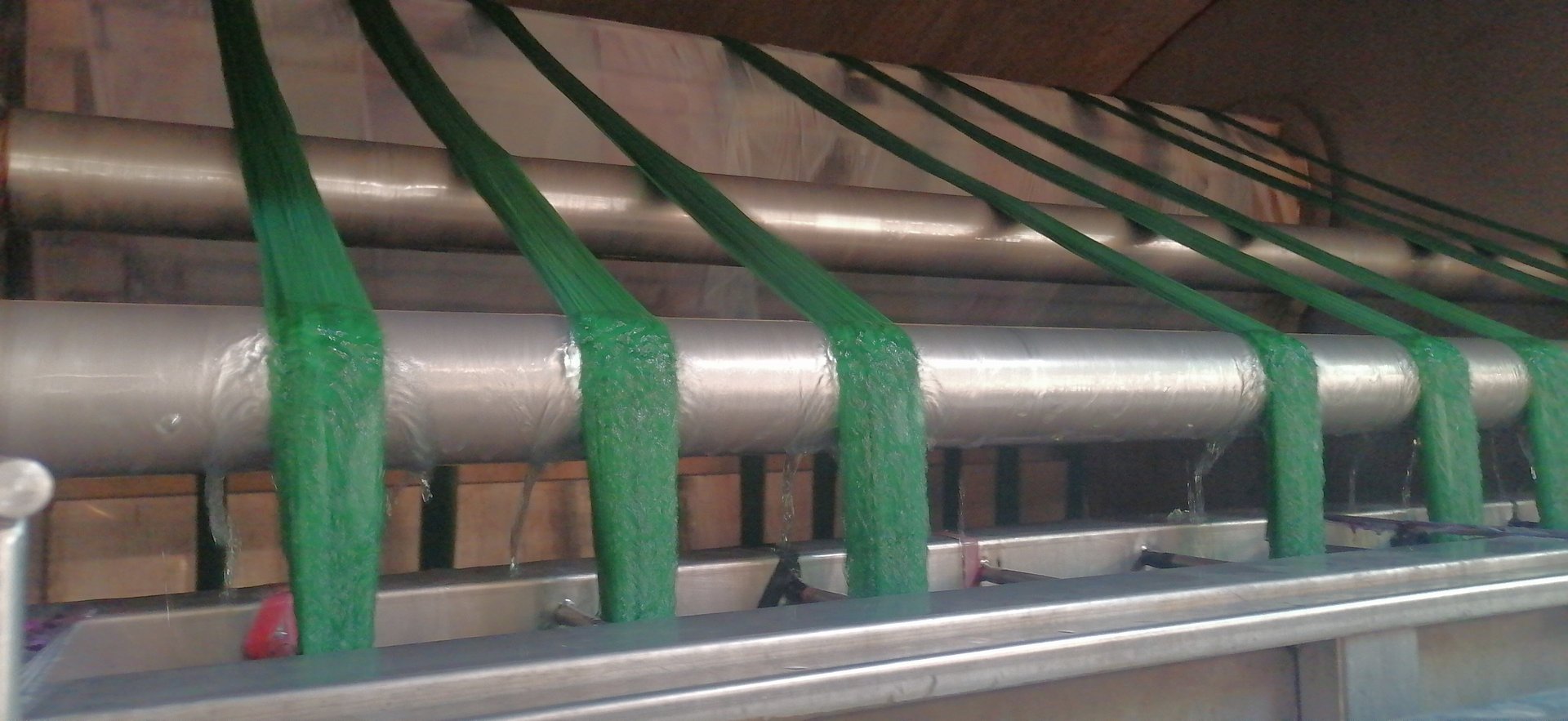
Explore Types of Fabric Dyeing: Techniques & Machine Types
Dive into the vibrant world of fabric dyeing! Discover various dyeing techniques, types of fabric dyeing, and essential tips for achieving stunning results in your projects.
1/2/20264 min read
Overview of Fabric Dyeing Machines
Fabric dyeing is an essential processing step in the textile industry, utilizing various machines tailored to specific materials and dyeing methods. Understanding the different types of dyeing machines is crucial for effective fabric treatment and production efficiency. Here, we discuss the most common fabric dyeing machines, including jet dyeing machines, beam dyeing machines, overflow dyeing machines, and garment dyeing machines.
Jet dyeing machines are known for their ability to handle delicate fabrics, employing high-speed jets to circulate dye liquor around the fabric. This method effectively ensures even dye application, making it ideal for lightweight and synthetic textiles. However, these machines can be more expensive to operate, requiring careful handling to avoid damage to fragile materials.
On the other hand, beam dyeing machines are predominantly used for dyeing woven fabrics. They offer a versatile solution, accommodating various fabric types by loading fabric onto beams. This machine excels in achieving uniform coloration, though it can be limited by the dimensions of the beam, restricting the dyeing of wider fabrics.
Overflow dyeing machines, characterized by their continual overflow of dye liquor, are well-suited for knitted and heavy fabrics. The continuous flow helps maintain consistent dye absorption and facilitates easier cleaning post-dyeing. However, the energy and water consumption of these machines can be higher, making them less favorable for sustainable practices.
Lastly, garment dyeing machines allow for dyeing of finished clothing items, offering the flexibility to provide quick color changes based on demand. This approach reduces inventory costs but may result in challenges with color consistency and fabric degradation if not monitored carefully.
In summary, each type of fabric dyeing machine has its distinct features that cater to various production requirements and fabric types. Understanding their functionalities, advantages, and disadvantages is vital for choosing the right machine for any dyeing operation.
Different Techniques for Dyeing Fabrics
Dyeing fabrics is an art form that allows for endless creativity and personalization. Various dyeing techniques exist, each offering unique characteristics and effects. In this section, we will explore several prominent methods: tie-dyeing, batik, shibori, and space dyeing.
Tie-Dyeing is perhaps one of the most recognized techniques, known for its vibrant, swirling patterns. To achieve this effect, one typically requires cotton or silk fabric, dye, and rubber bands or string. The fabric is twisted or folded and then bound with bands, allowing for sections to resist dye penetration. After dyeing, remove the bindings to reveal beautiful, random patterns. This method is versatile and works well with multiple colors for dynamic designs.
Batik involves a process of wax-resist dyeing, primarily used in Indonesian culture. The essential materials include fabric (commonly cotton), wax, dye, and tools to apply the wax. The wax is applied to areas of the fabric to prevent dye absorption, creating intricate designs. Once the dyeing is complete, the wax is removed by heating, which reveals stunning patterns. Batik is particularly effective on natural fibers.
Shibori is a traditional Japanese technique that employs various binding and folding methods to create unique patterns. Common fabrics used for shibori include cotton and linen. The process involves twisting, folding, or bunching the fabric and then tying it. Once secured, the fabric is immersed in dye. The results range from subtle to bold patterns, depending on the method used.
Finally, space dyeing is a technique that produces continuous gradients of color on fabric. It typically uses special dyeing machines that allow for intricate color transitions. Ideal fabrics for space dyeing include polyester and blends. This technique is popular in contemporary textile production, offering modern aesthetic possibilities.
In conclusion, each dyeing technique has its own set of materials, processes, and creative potential, making fabric dyeing a rich and diverse field to explore.
Essential Dyeing Supplies and Tools
Embarking on fabric dyeing requires a well-considered selection of supplies and tools to facilitate a successful process. The primary materials include both natural and synthetic dyes, which serve as the foundation for creating vibrant colors on textiles. Natural dyes, derived from plants, insects, or minerals, are favored by those seeking eco-friendly alternatives, while synthetic dyes offer a wider range of colors and are often more consistent in their results.
Another crucial component in the dyeing process is mordants. Mordants are substances that fix the dye to the fabric, enhancing colorfastness and aiding in color absorption. Common mordants include alum, tannin, and iron, each contributing unique properties to the final hue. Understanding the right mordant for specific dye types and fabric materials is essential for achieving optimal results in dyeing.
Dye fixatives are also indispensable as they help to set the dye after the application process, ensuring that the colors remain vibrant and do not run or fade during washing. Fixatives can vary based on the type of dye used, and proper application is critical for long-lasting results.
Safety equipment should not be overlooked when engaging in fabric dyeing. Essential safety tools such as gloves and masks protect the skin and respiratory system from harmful chemicals often associated with synthetic dyes. Wearing appropriate clothing and working in a well-ventilated area further minimizes health risks during the dyeing process.
Overall, understanding the fundamental supplies and tools essential for fabric dyeing enhances both the creative and safety aspects of the undertaking, ensuring a positive experience for both beginners and seasoned dyers alike.
Processing and Finishing Techniques Post-Dyeing
Once the dyeing process is complete, several processing and finishing techniques are essential to ensure that the vibrancy of the colors is preserved and that the dyed fabric does not experience any bleeding. Proper handling during this crucial phase can significantly affect the final product's quality and longevity.
Washing and rinsing are critical initial steps that follow dyeing. These processes help to remove any excess dye that has not bonded with the fabric, which is vital for preventing bleed during further use or subsequent washes. It is advisable to use cold water at this point, as hot water may cause the colors to fade or run. A gentle, color-safe detergent can also be employed to enhance the cleaning process without damaging the newly dyed fibers.
Setting the dye is another important step in post-dyeing processing. Various methods can be employed, such as heat setting or using special fixatives that help bond the dye more securely to the fabric fibers. Heat setting, achievable through ironing or exposure to steam, activates the dye, ensuring a more robust and long-lasting color. It's crucial to follow the manufacturer's instructions for the type of dye used to choose the best setting method.
Once the washing and setting processes are completed, proper storage of the dyed fabrics contributes greatly to their durability. Fabrics should be kept in a cool, dry area, away from direct sunlight, which can cause colors to fade. Moreover, using breathable storage solutions, such as cotton bags or acid-free tissue paper, can protect the integrity of the dyed textiles over time. Adhering to these best practices ensures that your dyeing projects remain vibrant and maintain their quality through continued use.